My name is Martin Stehli-Ono
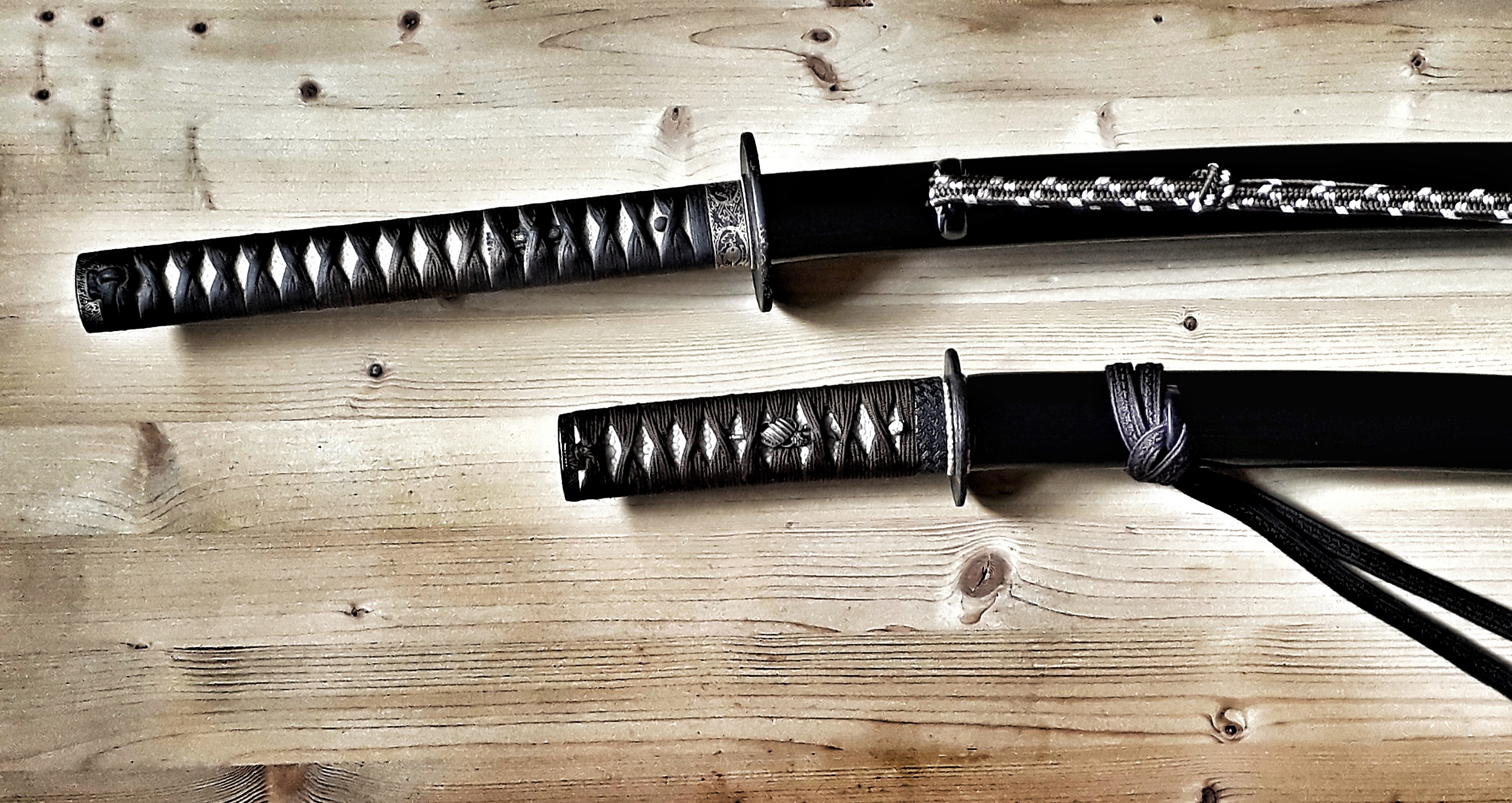
My interest in Japan and its (martial) arts began early, and I spent my teenage years practicing modern Japanese martial arts.
Later, I found an excellent teacher in my home region affiliated with the Ishido line of ZNKR Iaidō. For many years, I trained in Seitei-Iai, Muso Shinden-Ryū, and later also Tamiya-Ryū.
I developed a deep interest in Japanese art swords (bijutsu tōken) and became a member of the NBTHK, followed by my first trips to Japan.
In my mid-twenties, I moved to Tōkyō for language studies, leading to several years of studying, working, and eventually get married there.
I continued my Iai practice at Shinbukan Dōjō under Ishido Shizufumi-sensei in Kawasaki.
After returning to Switzerland, I resumed training in modern Iai, though in a different school (Musō Jikiden Eishin-Ryū).
A core focus of this blog is Japan’s martial culture, particularly the classical koryū and their broader context—including sociological, political, and religious aspects—aiming to gain new insights through this lens. My main historical interest lies in the Bakumatsu period, which I consider the most fascinating and complex era in Japanese history.
I am a member of the bunbu-Forschungskreis (research group) which explores the theory, practice, and philosophy of Japanese martial and military arts. In 2017, a first anthology was published to which I contributed a chapter: Studien zur Kampfkunst in Japan (Bunbu Kenkyu, Band 1)

In early 2013 I had the opportunity to join a genuine Koryū. This is the Hokushin Ittō-Ryū Hyōhō which has its hombu dōjō (Chiba-Dōjō) now in Munich, Germany under the 7th Sōke Ōtsuka Ryūnosuke Masatomo.
In January 2015 I have received the Hatsumokuroku scroll from the 6th Sōke Ōtsuka Yōichirō Masanori.
In April 2017 I have received the Kajō-Mokuroku scroll from the 7th Sōke Ōtsuka Ryūnosuke Masatomo, the third of a total of five Makimono in this tradition.
For many years, I was responsible as Shibuchō (branch director) for the swiss Keikojō of the Hokushin Ittō-Ryū Hyōhō in Basel. As my interests and priorities in life evolved in a different direction, I have resigned from my teaching and representative duties as of December 31, 2024, and as a result have closed the Swiss Shibu.
I have terminated my membership in the Hokushin Ittō-Ryū Hyōhō.
 schwert | gedanken